The Federal Government of Nigeria has maintained that many of the terrorists responsible for killings across the country are foreign nationals who infiltrated Nigeria through its porous borders.
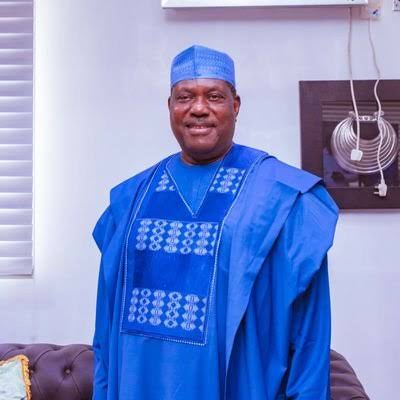
The Secretary to the Government of the Federation, George Akume, stated this on Sunday while addressing participants at the First Plenary of the Catholic Bishops’ Conference of Nigeria held at St. Gabriel’s Chaplaincy, Catholic Secretariat of Nigeria, Abuja.
Akume acknowledged that insecurity remains a grave concern but argued that the challenge is global and not peculiar to Nigeria. According to him, intelligence and security reports indicate that several suspects arrested in connection with recent attacks are not Nigerians.
He noted that many of those apprehended neither speak English nor fluent Hausa but communicate largely in French, suggesting cross-border infiltration. While admitting that extremist groups like Boko Haram originated within Nigeria, he insisted that a significant number of those currently carrying out attacks in forests and rural communities, particularly in Niger State and other troubled regions, are foreign elements.
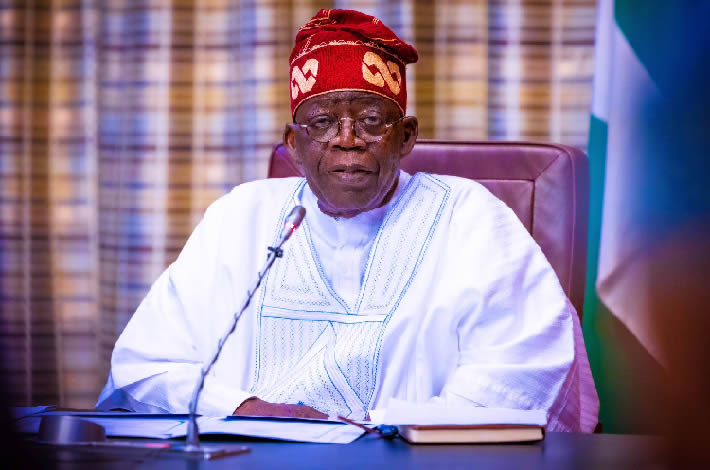
The SGF stressed that the wave of violence did not begin under the administration of Bola Ahmed Tinubu, describing the killings as longstanding and complex.
Reacting to Nigeria’s recent designation as a Country of Particular Concern by the United States over security and religious freedom issues, Akume said the development had strengthened international collaboration, especially with Washington.
He referenced recent drone strikes in Sokoto State as evidence that the government was actively confronting security threats. According to him, President Tinubu’s recent trip to Turkey was partly aimed at acquiring additional military hardware, including drones and advanced weaponry, to reinforce Nigeria’s security architecture.
On the contentious issue of reintegrating former insurgents, Akume clarified that efforts to absorb ex-members of Boko Haram into the military were proposed during the previous administration but faced stiff resistance and were ultimately abandoned.
He urged religious and community leaders to approach discussions on insecurity with objectivity, emphasising that government decisions are guided by classified security reports and ongoing assessments.